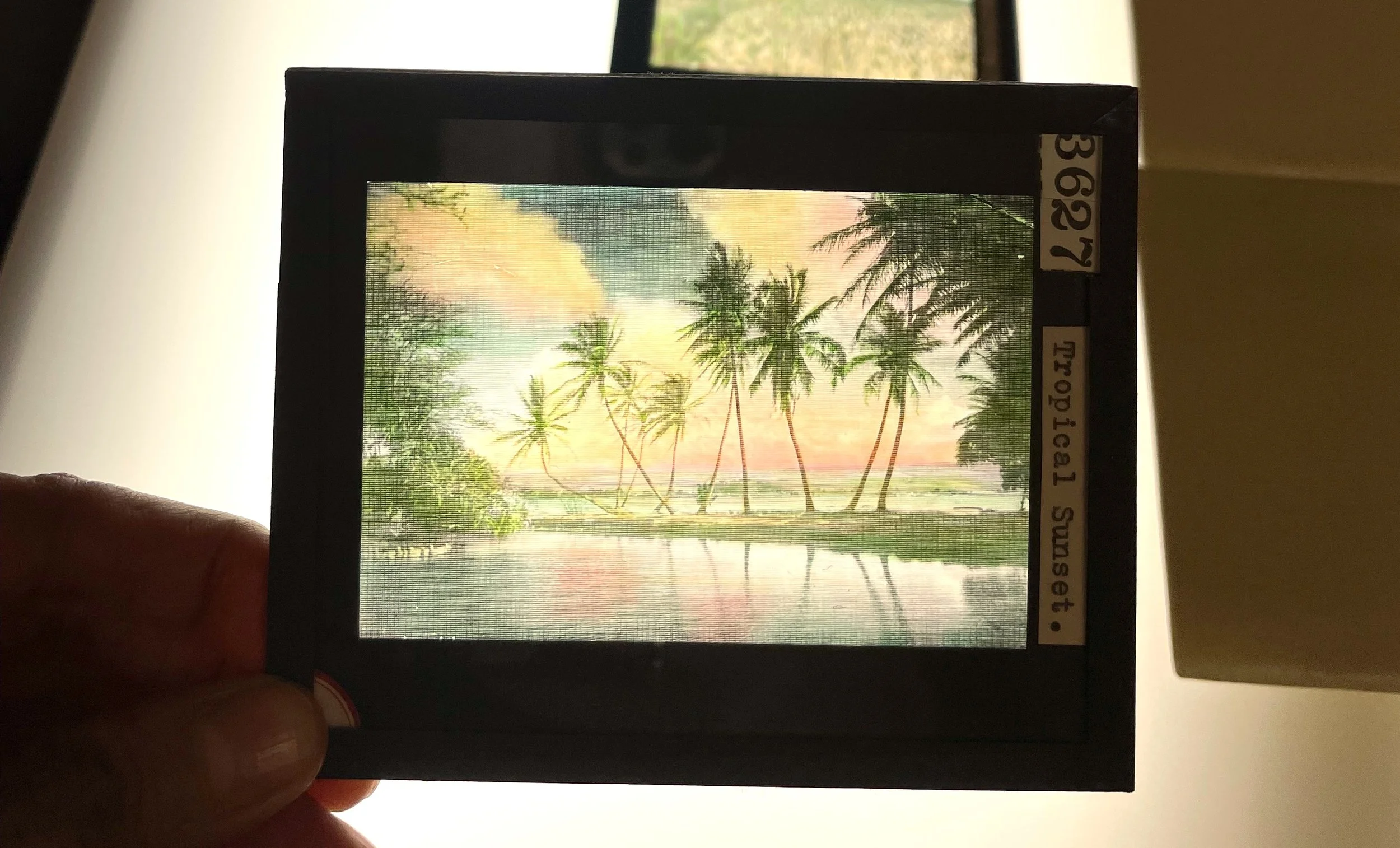
Tropical Machines is a story of 19th and 20thc experiments with media technologies in tropical islands that, I argue, served as laboratories for modern regimes of labor and resource extraction. I locate this story in the era of emancipation, in the wake of the abolition of plantation slavery in British colonies in 1834 which created a massive demand for cheap, voluntary labor to replace the forced labor of those who were formerly enslaved. This story is therefore plotted along the itineraries of indentured and technically voluntary “coolie” labor from South Asia to sugar colonies such as Mauritius and Fiji.
I use an expansive definition of media in this book – as meaning-making, transformative, and representational assemblages of techniques and technology – and I situate the emergence of modern media in the tropics. Cinema is only part of the story here, as I consider histories of photography and stereography, plantation and carceral complexes, and the mediating work done by ships and islands.
I argue that histories of modern media and colonial capitalist modernity are co-constitutive, and further, that we must relocate the center of this extractive modernity from the city to the plantation, the island, the ship, and the penal settlement. Tropical Machines is therefore about the complex interplay of representation and rule, technology and bureaucracy, pleasure and anxiety, that mediated the continued colonization of the tropics in the nineteenth century. This is also an account of how the machines and machinic imaginaries that we consider to be emblematic of modernity, were in fact forged in the “dark” tropics.
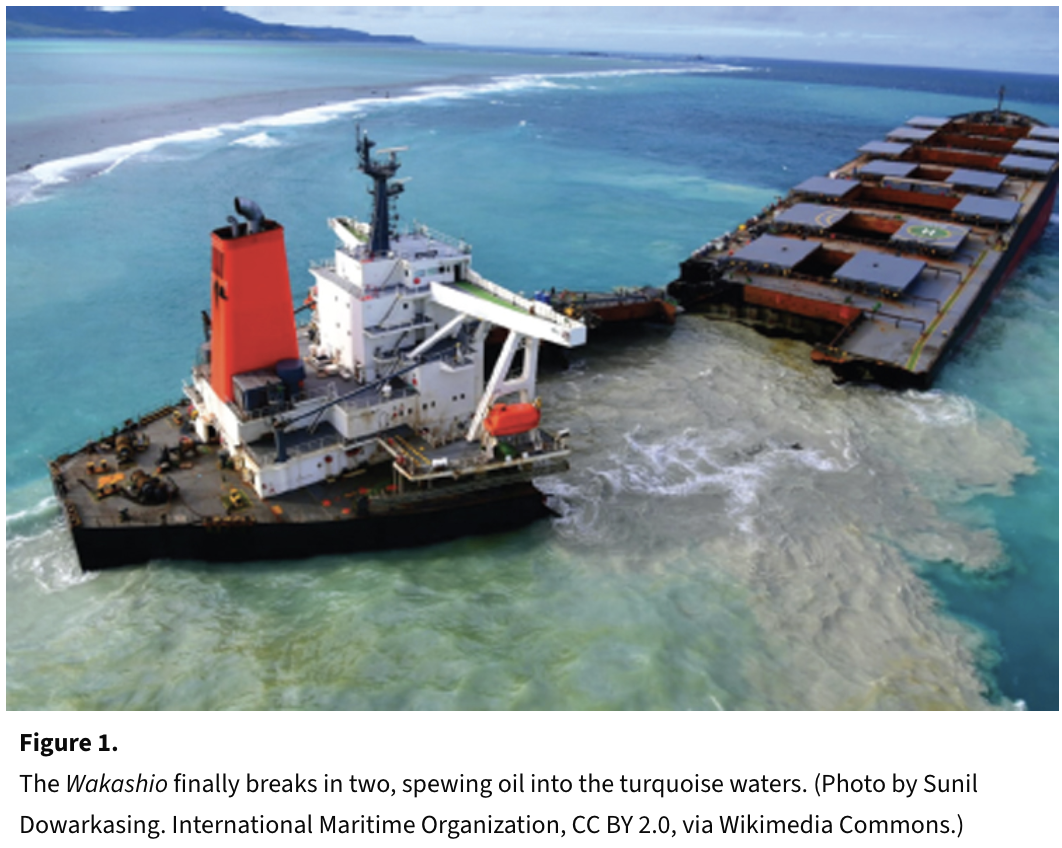
My first publication based on this set of media concepts and entangled histories is “Shipwreck Media: Crisis Ornaments and How to Read Them,” Journal of Cinema and Media Studies, 65 (1): 106-130.